Experienced Etobicoke Painting Contractor Delivering Reliable Results
Professional Painting Services: Enhance Your Space With Skilled Craftsmanship
Painting contractor services provide homeowners with valuable options for improving their homes. These professionals tackle issues like mold and surface preparation, ensuring lasting results. Their expertise extends to the science of color selection, which influences the atmosphere of a space. Understanding the intricacies of hiring a contractor can profoundly affect the success of a renovation. As homeowners consider their options, a number of important considerations emerge that warrant further exploration.
What Problems Do Professional Painting Contractors Solve?
Skilled painting professionals tackle a range of issues that homeowners and businesses often face. One notable challenge is the requirement for thorough surface preparation, involving cleaning, sanding, and priming walls to ensure optimal paint adhesion. This procedure is vital for delivering a seamless, durable result. Additionally, contractors help identify and rectify underlying problems such as mold or water damage which can undermine both visual appeal and structural stability.
Time management represents another critical factor, as experienced painters can handle projects more effectively than untrained individuals, enabling clients to concentrate on their everyday routines. In addition, contractors possess the expertise to select appropriate paint types and colors, ensuring that the finished outcome aligns with the client's expectations and endures environmental conditions. Safety remains equally important; contractors are trained to handle hazardous materials and use equipment properly, limiting dangers involved in the painting operation. Overall, professional painting contractors provide valuable solutions to complex challenges in both residential and commercial settings.
Important Painting Approaches and Their Benefits
Skilled painting techniques serve an important function in delivering superior outcomes in both home and business projects. Among the most frequently used approaches is spray painting, which enables a seamless and even application and is especially suited for expansive surfaces or detailed work. Brush and roll application is another fundamental technique, which offers greater precision along edges and corners, guaranteeing accurate results.
Additionally, techniques such as texture sponging or rag rolling techniques can create visual texture and dimension, enriching the aesthetic appeal of a space. The importance of primer application before painting is critical, as it improves proper adhesion and increases the durability of the final coat.
Furthermore, appropriate surface preparation, encompassing sanding and cleaning, greatly affects the end result. Every approach offers its own benefits, leading to a polished and professional appearance. By choosing the most suitable approaches, painting contractors have the ability to revitalize spaces, attaining results that fulfill or exceed the expectations of their clients.
The Impact of Color Consultation on Your Space
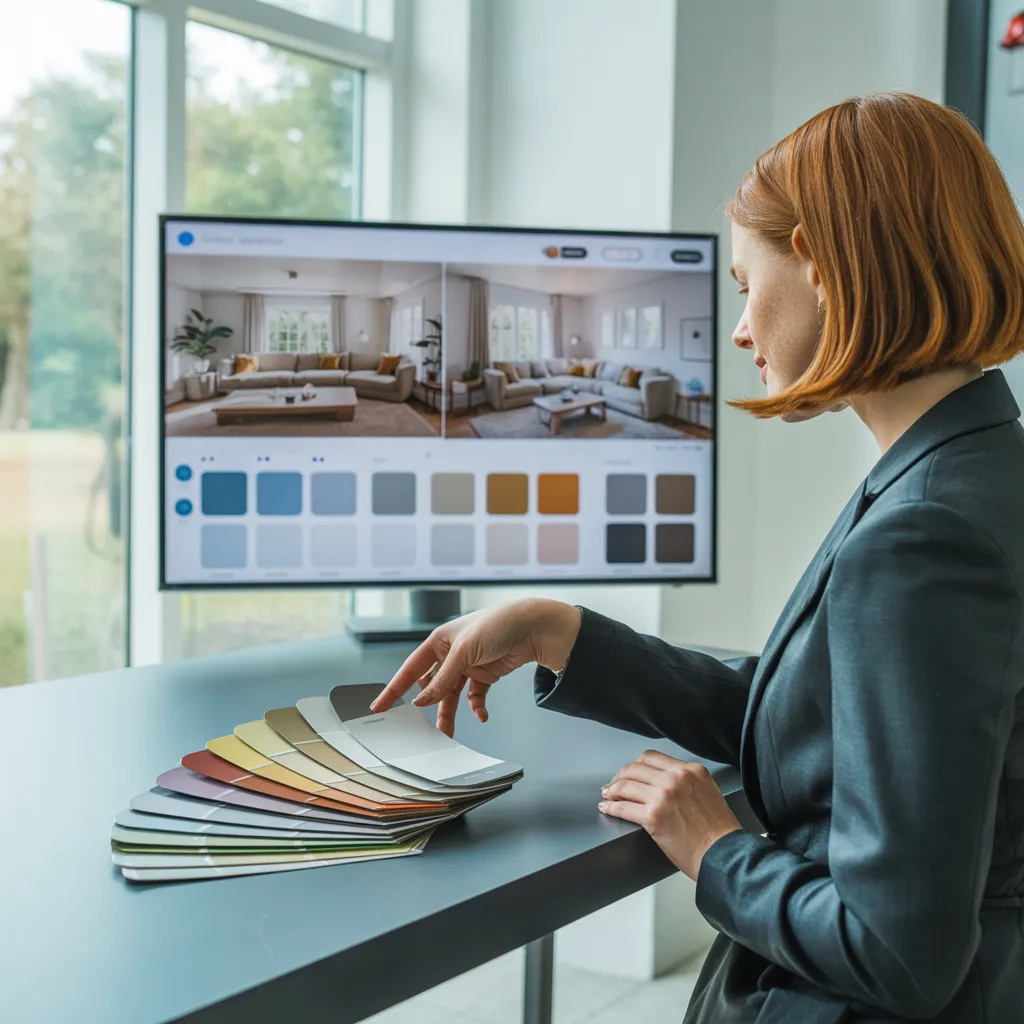
Color consultation plays an essential role in influencing the overall feel of a space. By recognizing how colors affect psychology, homeowners can craft surroundings that promote intended moods and actions. Moreover, effective color choices can harmonize with existing decor, enhancing the overall aesthetic appeal of any room.
Color Psychology and Its Impact
When selecting shades for a living area, it is important to consider the significant psychological influences colors can have on mood and behavior. Colors influence moods and responses, defining how people navigate their space. As an example, warm hues like reds and yellows can evoke feelings of vitality and comfort, while cooler hues like teals and blues tend to foster tranquility and calm. Neutral tones create an adaptable setting conducive to relaxation or concentration. Understanding these effects is vital for designing balanced environments tailored to specific needs. Professional color consultation can support clients in making informed choices, ensuring that the selected palette corresponds to the desired ambiance, thereby improving both functionality and aesthetics in the space.
Harmonizing With Existing Decor
A careful strategy for complementing current interior elements can greatly enhance the general appearance of a room. Expert color advising serves a critical function in achieving this balance. Professionals examine the present components, such as furniture, artwork, and architectural features, to suggest color palettes that enhance rather than disrupt. By accounting for factors like lighting conditions and space purpose, they develop unified spaces that evoke desired moods. This process often involves choosing tones that tie together various components, ensuring a seamless flow throughout the area. At its core, professional color guidance not only enhances the aesthetic quality but also fosters a sense of harmony and comfort, creating a more appealing environment and expressive of individual taste.
Assessing Contractor Quality
How do homeowners go about determining the quality of a painting contractor? Assessing the quality of a contractor can be done through several essential steps. First, reviewing portfolios of previous work can provide insight into the contractor's style and attention to detail. It is also advisable for homeowners to look for online reviews and testimonials, as these highlight previous client experiences and overall satisfaction. Verifying that the contractor holds the proper licenses and insurance is critical, as these credentials reflect professionalism and responsibility.
Additionally, collecting several estimates can assist in determining the industry standard and the contractor's credibility in delivering thorough estimates. Soliciting recommendations from prior customers allows homeowners to directly inquire about the quality and professionalism of the contractor. Finally, reviewing communication abilities during initial interactions can show how seamlessly the specialist will engage throughout the undertaking. By adhering to these guidelines, homeowners can make informed decisions and select a quality painting contractor that satisfies their criteria.
Key Questions for Your Painting Contractor?
When selecting a painting contractor, it is crucial to ask the right questions to ensure a successful project. Essential aspects to address include the contractor's background and skill set, the suggested schedule and timeline, and suggestions for suitable paint options. Evaluating these aspects can help homeowners reach well-informed conclusions and define realistic expectations.
Experience and Expertise Level
Assessing the expertise and experience of a painting contractor is crucial for guaranteeing project success. Clients should ask about the contractor's tenure in the business, as years of experience often is associated with advanced capabilities and problem-solving expertise. Furthermore, looking into relevant certifications or qualifications can provide insight into the contractor's dedication to excellence. Consider requesting examples of past projects, as a impressive body of work can demonstrate expertise and artistry. References and client reviews also give meaningful feedback about the contractor's trustworthiness and work ethic. Knowing the contractor's familiarity with various painting techniques and materials can further assure clients that their individual requirements will be addressed, ultimately leading to a more satisfying outcome.
Project Timeline and Scheduling
Grasping the timeline and scheduling of a paint job is essential for homeowners to manage their expectations. When hiring a painting contractor, key questions should address the estimated duration of the work and the working availability of the contractor. Homeowners should ask about any factors that may impact the timeline, such as environmental conditions or the surface preparation required for the surfaces. It is also necessary to discuss the contractor's hours of operation and any likely delays that could occur. By establishing a solid timeframe, homeowners can better coordinate other aspects of their schedules, minimizing disruption during the painting process. In the end, clear communication regarding project timing encourages a more streamlined and efficient project experience.
Paint Selection Recommendations
Picking the correct kind of paint can greatly impact the outcome of a paint job. Property owners should speak with their painting contractors regarding various paint types, including latex, oil-based, and specialty paints. Each one delivers specific advantages; for instance, latex paints cure rapidly and are easy to clean, while oil-based paints offer long-lasting results and a refined finish. Furthermore, aspects such as sheen—matte, eggshell, satin, semi-gloss, or gloss—can impact the overall look and upkeep needs. Painting professionals can also suggest eco-friendly solutions for those mindful of environmental impact. By discussing particular goals and expectations, clients can ensure they select the most suitable paint type to improve their environment efficiently and fulfill enduring performance goals.
Readying Your Space for a Professional Paint Job
Before the paintbrush even touches the wall, adequate preparation of the area is crucial for attaining a perfect result. This procedure commences with relocating furniture and placing drop cloths on floors to shield against spills. Walls should be thoroughly cleaned to eliminate dust and grease, ensuring ideal paint adhesion. Any gaps helpful information or flaws should be filled with spackle and smoothed by sanding; this phase is essential for an even appearance. Additionally, tape should be applied along edges, such as baseboards and windows, to create sharp lines and prevent paint bleed. Good ventilation is also necessary, so opening windows or operating fans can help ensure a safe working atmosphere. Finally, evaluating lighting in the space will aid in selecting the best paint shades. By adhering to these guidelines, homeowners can prepare for a high-quality paint job that improves the overall look of their space.
Popular Questions We Receive
How Long Does a Typical Painting Project Take to Complete?
A standard painting project generally requires one to two weeks to be completed, depending on the complexity and size of the area, surface preparation needs, and the amount of coats required for the best results.
What Paint Finish Options Are There for My Project?
A variety of paint finishes is offered, among them matte, eggshell, satin, semi-gloss, and gloss. Each finish offers distinct appearances and durability, suited to varying visual preferences and practical demands for both interior and exterior surfaces.
Do I Need to Be Home During the Painting Process?
Residents are not required to remain on-site during the painting work. However, remaining accessible for questions or key decisions helps strengthen communication and ensure the results match their expectations, which leads to a more satisfying overall outcome.
Which Season Is Ideal for Exterior Painting Projects?
The best season for outdoor painting work is generally between late spring and early fall. At this time of year, temperatures are mild, moisture levels in the air are lower, and circumstances are optimal for proper paint adhesion and drying, guaranteeing long-lasting results.
Do Eco-Friendly Paint Options Exist?
Absolutely, eco-friendly paint options are easily obtainable, including natural and low-VOC paints. These paint options lessen environmental impact while maintaining high quality, delivering safer indoor air and more wholesome living environments for homeowners and the planet.